

Buddha teaching : ค้นหาหนังสือธรรมะ หน้า 10 / 35
หน้าหนังสือทั้งหมด
198
Teaching Humility and Modesty Through Meditation
teaching ourselves humility and modesty. There may be times when an apology is required. Some difficulties are caused by our own carelessness, perhaps by damaging others' possessions, which can be sol
This text emphasizes the importance of humility and modesty, particularly in instances where apologies might be necessary due to personal oversights. It highlights the significance of staying calm and
18
Understanding Dhammakāya and Theravāda Manuscripts
and is ‘spiritually reborn’. The dhammakāya becomes her new identity as the milk nourishes her spiritually. It is something she is given as a verbal teaching.
To add the material from the Apadānas is
This text delves into the doctrine of dhammakāya, representing a new spiritual identity that arises from teachings, akin to nourishment from milk. It connects the concepts found in the Agañña-sutta, i
38
Understanding the Concept of Dhammakāya in Buddhist Thought
D.III.84
Vāsettha and Bhāradvāja, he whose confidence in the
Tathāgata is settled, rooted, established, solid, irremovable by
any ascetic or brahmin, any deva or Māra or Brahmā or anyone
in the world
In this passage, Vāsettha and Bhāradvāja discuss the unwavering confidence in the Tathāgata, stating that those deeply rooted in dhamma can claim to be heirs of dhamma. The term 'dhammakāya' and its i
577
The Interfusion of Chinese and Indian Cultures in Central Asia
Visualization of the Buddhas: The Interfusion of the Chinese and Indian Cultures in Central Asia as Reflected in a Fifth Century Apocryphal Sutra." PhD Dissertation. Yale University. Yamabe, Nobuyoshi
This dissertation examines the merging of Chinese and Indian influences in Central Asia, particularly through apocryphal Buddhist texts. It also discusses various publications that delve into Buddhist
61
Understanding Dhammakaya Knowledge
The Dhammakaya Knowledge is taught by the Buddha to constitute the transcendental, blissful, eternal, and pure Self of the Buddha. Dhammakaya doctrines can be found in the scriptures of all major Budd
Dhammakaya Knowledge is a profound teaching from the Buddha that emphasizes the transcendental, blissful, and pure nature of self. This concept is integral to all major Buddhist schools, including The
158
Understanding Dhamma and Enlightenment
Attaining Dhamma: meditative attainment; a state of absorption in meditation where the mind achieves super insight and knowledge; knowing and seeing according to the truths.
Attainment of Dhammakaya:
This content delves into the concept of Dhamma as a state of meditative absorption. It explains the attainment of Dhammakaya, where deep insight allows one to see the reality of life. Key terms such a
46
Understanding the Buddha's Teachings
"You're asking, 'Why is the mind coarse, boorish, or ill-mannered?' The mind is coarse because of attachment, anger, greed. People are really obsessed with stuff. But the Buddha's mind combines itself
In his teachings, the Buddha discusses the coarseness of the mind due to attachment, anger, and greed. He identifies three groups of people in response to his teachings: true believers, non-believers,
92
Buddha's Teachings on Patience and the Eight Precepts
"First, we must try to go to them indirectly. Do you see? We will only be here for seven days so we must be patient. We should always train ourselves to speak kindly and by doing this, we will gain bi
This text emphasizes the significance of patience and kindness according to Buddha's teachings during a week of meditation while following the eight precepts. It highlights the importance of good mann

29
The Timeless Teachings of the Buddha
after I leave this world, my Teaching (the Dhamma) will be your teacher in my place.”
The Buddha blessed us with his Teachings and his sense of Discipline to carry us forward in his place. The gifts
After leaving this world, the Buddha offered the teachings of the Dhamma as a guide for his followers. His teachings have withstood the test of time, showcasing their timeless relevance. The commitmen
88
Bibliography of Buddhist and Linguistic Resources
Bibliography
Devlin, Joseph. A Dictionary of Synonyms and Antonyms. 2d ed. New York: Popular Library Inc., 1961.
Guralnik, David B. Webster’s New World Dictionary: Compact School and Office Edition.
This bibliography compiles crucial references for understanding Buddhism and language, featuring dictionaries such as 'Concise Pali-English Dictionary' and 'Webster’s New World Dictionary'. The works
5
The Harmonious Teachings of Buddhism for a Peaceful World
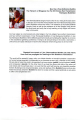
Most Ven. Zhi-ji Ahdharman Buddha
The Patriarch of Bhagawan Gu Fan Mi Chiness Han Transmission
Thatrayana Buddhism
"The World Buddhist Sangha Youth is like the sun rising at the early dawn in the eas
The World Buddhist Sangha Youth symbolizes a rising force within Buddhism, promoting harmony and unity across various traditions such as Theravada, Mahayana, and Tantrayana. The teachings conveyed emp
55
Understanding the Noble Truth of the Cessation of Suffering
sensuality. In this way, the Buddha shows the inter-relation between the Noble Truth of the Cessation of Suffering and the Noble Eightfold Path.
3. Explanation of the Noble Truth of the Cessation of S
This text delves into the Noble Truth of the Cessation of Suffering as per the teachings of the Buddha. It defines the Cessation of Suffering in four aspects - as release from the cycle of existence,
95
The Noble Truth of the Cessation of Suffering
The Noble Truth of the Cessation of Suffering
When the Lord Buddha had finished his explanation of the origin of suffering, he continued with an explanation of the cessation of suffering. The essence
This text explains the Buddha's teaching on the cessation of suffering, emphasizing the importance of extinguishing craving through the Noble Eightfold Path. It highlights that addressing the root of
197
The Middle Way: Buddha's Revolutionary Teaching
tered to liberate themselves from suffering, but because the strongest spiritual trend of the time was the practice of self-mortification, many went astray or perished in their quest. Having tormented
This text discusses the historical context of the Buddha's teachings, emphasizing how many were misled by the practice of self-mortification in their quest for liberation from suffering. It highlights
244
Understanding Buddhist Concepts: Nirvana and Absorptions
nevasāññāṇasāññāyatana (absorption of neither-perception-nor-non-perception: see formless absorptions) Nevasāññāsaññāyatanaabhūmi (realm of neither-perception- nor-non-perception: see formless Brahma
This text delves into various Buddhist concepts such as Nevasāññāṇasāññāyatana, the realm of neither-perception-nor-non-perception, Nibbāna, and other related terms. It discusses the Five Aggregates,
6
Creating Harmony in the Family
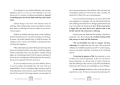
Part Three Harmony in the Family
157
Chapter 15 Creating Harmony in the Family
159
Chapter 16 What Should Parents Do When Their Children
Do Not Get Along?
165
Chapter 32 Teaching Children to Live by t
Part Three of the book focuses on creating harmony in the family and the roles of parents in ensuring a peaceful and loving environment. Topics include what parents should do when their children do no
154
Confronting Life's Inherent Sufferings
"Even though we may dislike difficulties and welcome
happiness, there is no way to avoid suffering in our lives
because life is a mixture of suffering and happiness. Instead,
we should prepare for the
This text discusses the duality of suffering and happiness in life. It emphasizes the natural forms of suffering such as aging, sickness, and death that everyone faces. Many people distract themselves
77
Re-evaluating the Concept of Dhammakāya in the Pali Canon
No-one can upset the (Padumuttara Buddhu) entire mine of jewels, who is demonstrating the dhammakāya; having seen him, who is not pleased?
In order to clarify further regarding the precise connotation
This study revisits the term dhammakāya in the Pali canon, highlighting its significance in Buddhist teachings. By examining the Sambuddha-sutta, the relationship between 'the path' and dhammakāya is
124
Meetings with a Dhamma Master
Meetings with a Dhamma Master
is a more coarse way to judge good and/or bad, we might not have the best way but at least people can live with one another. In addition to custom or tradition, we can a
The text explores how good and bad actions are judged in Buddhism, emphasizing the importance of intention in determining Kamma. It reflects on the historical context of societal divisions due to misu
36
พระโพธิสตวและการฟื้นฟูพระพุทธศาสนา
พระพุทธรูป
พระโพธิสตว
Bodhisatta (Skt, Bodhisattva), enlightened being.
-- In the Theravada, this refers to the single being striving to realize nirvana and become the next Buddha.
-- In the Mahayana,
เนื้อหาเกี่ยวกับพระโพธิสตวในพระพุทธศาสนา ตั้งแต่แนวคิดในเถรวาทไปจนถึงมหายาน และการฟื้นฟูพระพุทธศาสนาของพระมงคลเทพมุนี ซึ่งเป็นพระอาจารย์ใหญ่แห่งวัดปากน้ำภาษีเจริญ โดยพระมงคลเทพมุนีได้ฟื้นฟูคติธรรมทางก